
AI-Assisted Research Yields More Novel, High-Impact Papers, European Study Finds
Analysis of 80 million papers shows AI use correlates with novelty and citation impact, as OpenAI pursues autonomous research systems and finance firms mine internal data for edge.
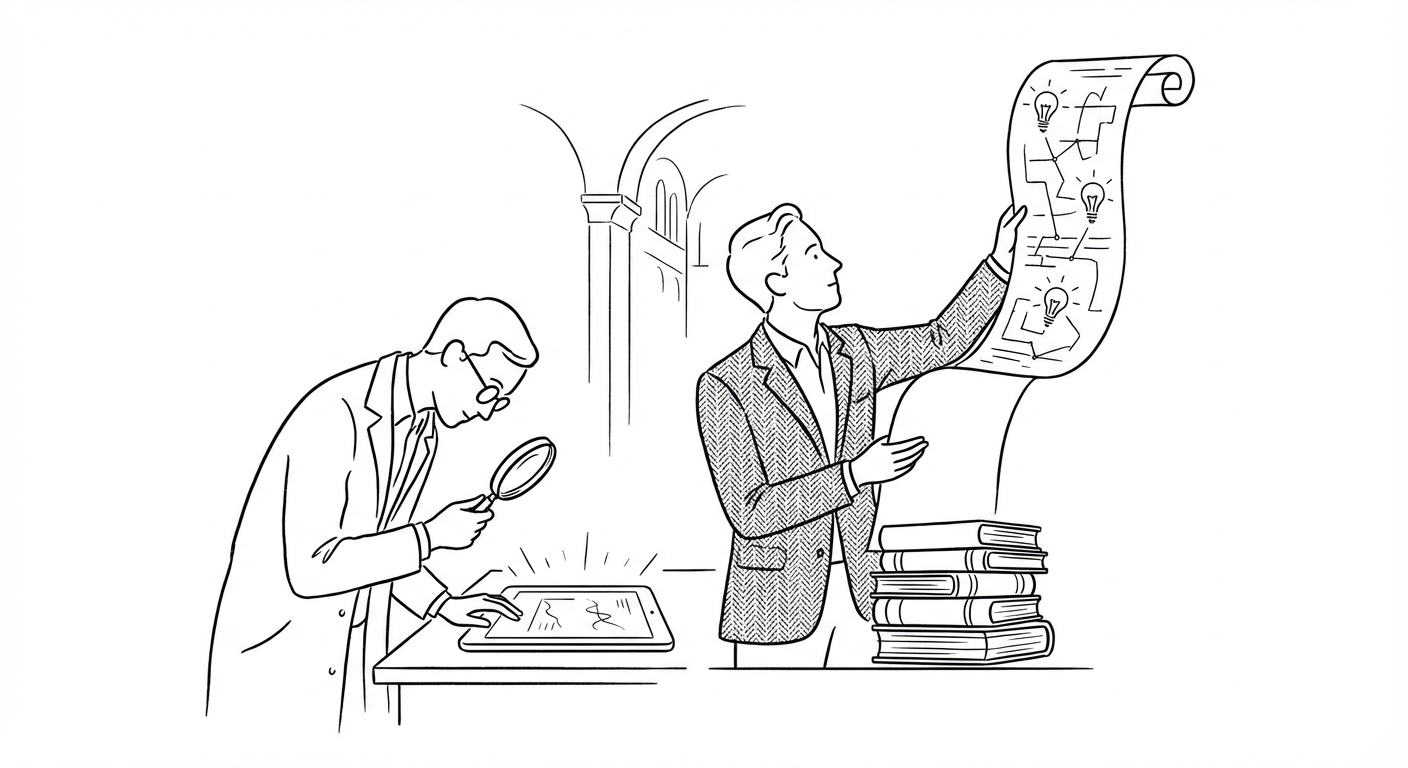
A large-scale study of scientific publishing has found that research incorporating artificial intelligence tools produces work that is both more novel and more highly cited, according to findings from a European Commission-backed analysis.
Stefano Bianchini from the University of Strasbourg and three European Commission researchers examined over 80 million scientific papers published between 2005 and 2023 across more than 170 fields, seeking to identify which uses of AI made a measurable difference in research outcomes. The study, which tracked novelty and impact metrics, found reasons to be "optimistic" about AI's role in scientific work.
The findings arrive as OpenAI's chief scientist Jakub Pachocki told the "Unsupervised Learning" podcast that recent breakthroughs in coding, mathematics, and physics suggest AI is approaching the capability of a research intern. "I definitely see this as a signal that something here is on track," Pachocki said, pointing to longer autonomous task horizons as the key metric. He distinguished research interns from fully automated researchers by "the span of time that we would have it work mostly autonomously."
OpenAI is targeting an AI research intern by 2026 and a fully autonomous researcher by 2028, though Pachocki emphasized current systems are not yet ready to operate independently at full researcher level. "For more specific technical ideas, like I have this particular idea how to improve the models, how to run this evaluation differently, I think we have the pieces that we mostly just need to put together," he said.
The research productivity gains are already reshaping competitive dynamics in finance. BlackRock vice president Jacob Bowers told the Future Alpha conference that AI is "great at structuring unstructured data," and "some of the best unstructured data you have is internal." Andrew Gelfand, a quantitative analyst at Balyasny Asset Management, said the $33 billion firm requires analysts to input research and notes into a portal accessible to AI systems, giving models reams of text to mine for investment signals. Previous attempts to monetize unstructured internal data had proven difficult, but recent AI advances have made the task "much more fruitful," Gelfand said.
(The European study did not disclose funding sources beyond European Commission researcher involvement. OpenAI has not published peer-reviewed validation of its research intern timeline claims.)
The race to automate research work extends beyond academic labs and into sectors ranging from hospitality to conservation. Mid-sized hotels investing $350,000 in AI infrastructure are generating over $855,000 in annual profit improvements, primarily through back-office automation of accounting, procurement, and invoice matching, according to industry analyses. Meanwhile, organizations including the World Wildlife Fund and the International Union for Conservation of Nature are deploying AI for species observation, habitat mapping, and climate modeling across biodiversity-rich regions.
The legal profession is grappling with the ethical boundaries of AI-assisted work. A divided Third Circuit panel recently weighed disciplinary measures for an attorney's use of AI-generated hallucinations, with the dissenting judge arguing that "no forewarning is necessary when it is clear what standard the attorney was required to follow." The case underscores tensions over professional responsibility as AI tools become embedded in practice workflows.
The AI industry itself faces infrastructure constraints that may slow deployment. A shortage of skilled trade workers—electricians, lineworkers, and welders—is creating bottlenecks in data center construction, according to reporting from the Washington Post. Separately, the Federal Trade Commission has targeted companies engaged in "AI washing," referring to unsubstantiated claims about returns from new AI products and services.
Keywords
Sources
https://www.researchprofessionalnews.com/rr-news-world-2026-4-ai-use-in-science-linked-to-more-novelty-and-impact-study-finds/
European study of 80 million papers finds AI use correlates with novelty and citation impact across 170 fields
https://www.businessinsider.com/openai-exec-ai-is-getting-closer-to-research-intern-capabilities-2026-4
OpenAI chief scientist says AI approaching research intern capability, targeting autonomous researcher by 2028
https://www.businessinsider.com/blackrock-balyasny-tapping-ai-search-internal-data-alpha-2026-4
BlackRock and Balyasny mine internal research data with AI to find investment edge as public data advantage erodes
https://www.law.com/thelegalintelligencer/2026/04/09/lets-give-em-something-to-talk-about-the-rise-of-ai-chatbots/
Third Circuit weighs attorney discipline for AI hallucinations, highlighting professional responsibility tensions