Enterprise AI Spending Forces Budget Reallocation as Productivity Gains Outpace Revenue
Companies embedding AI across operations face hard trade-offs on technology budgets, while transfer pricing and governance gaps complicate value attribution.

A note to our readers. Synthese AI is pausing operations as we step back to reassess our direction. Rather than continue down a path we're not fully confident in, we want to rethink what this platform should be — not just another news feed, but something meaningfully useful. Thank you for reading and engaging with us. If and when we return, it will be with a clearer vision.
Companies embedding AI across operations face hard trade-offs on technology budgets, while transfer pricing and governance gaps complicate value attribution.

Business travel buyers express strong interest in AI-powered booking systems, yet fragmented data infrastructure and limited deployment slow progress toward seamless trip management.

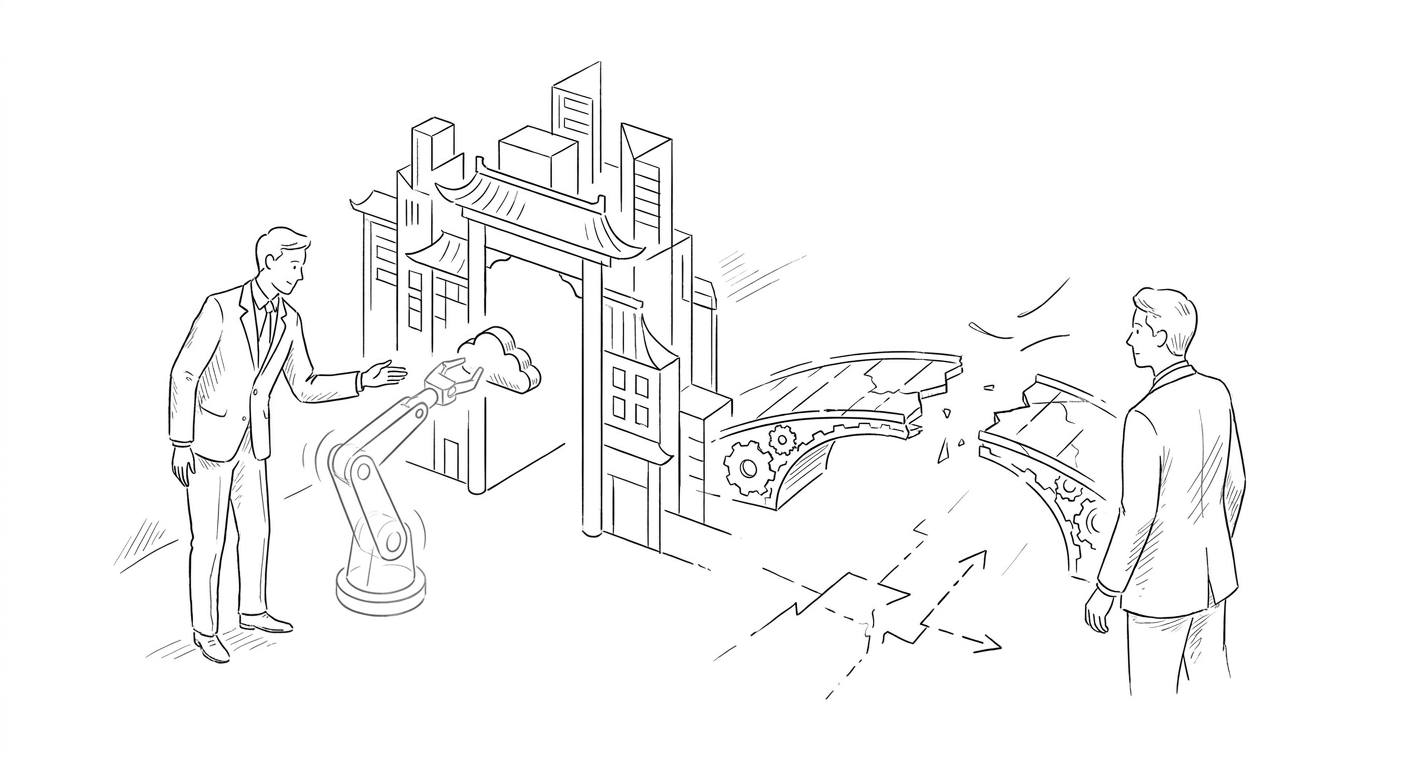
Australian businesses spend an average $26.7 million on AI, less than half China's $58.7 million outlay, even as local retailers demonstrate measurable returns from deployment.

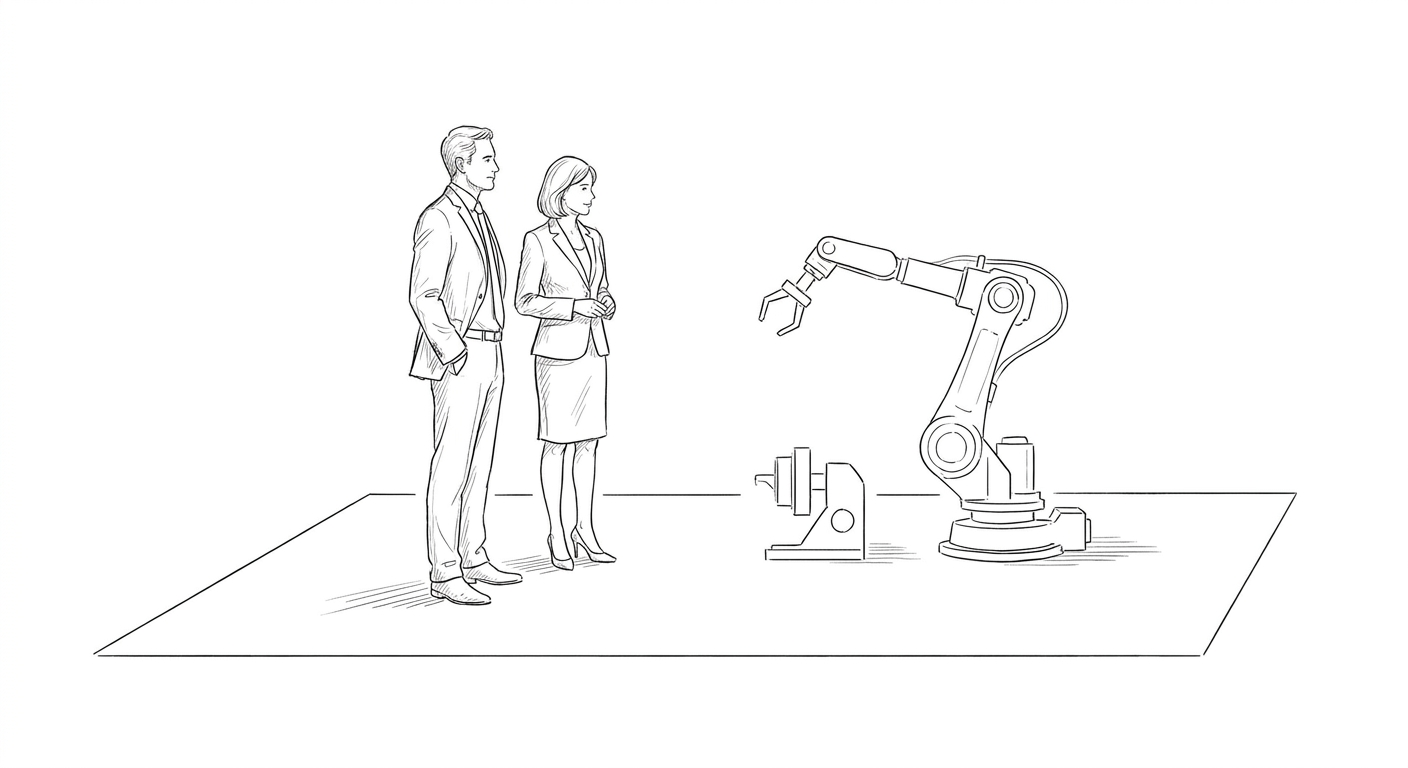
Consulting giant Capgemini warns 79% of executives are already deploying robots and autonomous systems in factories and supply chains, yet governance frameworks lag behind hardware rollouts.

A U.S. Chamber survey finds 82% of small businesses using AI hired staff in the past year, even as enterprises face mounting pressure to demonstrate measurable returns.

The Commerce Department will conduct pre-deployment testing of AI systems from Google, Microsoft and xAI, marking a shift in White House AI governance strategy.

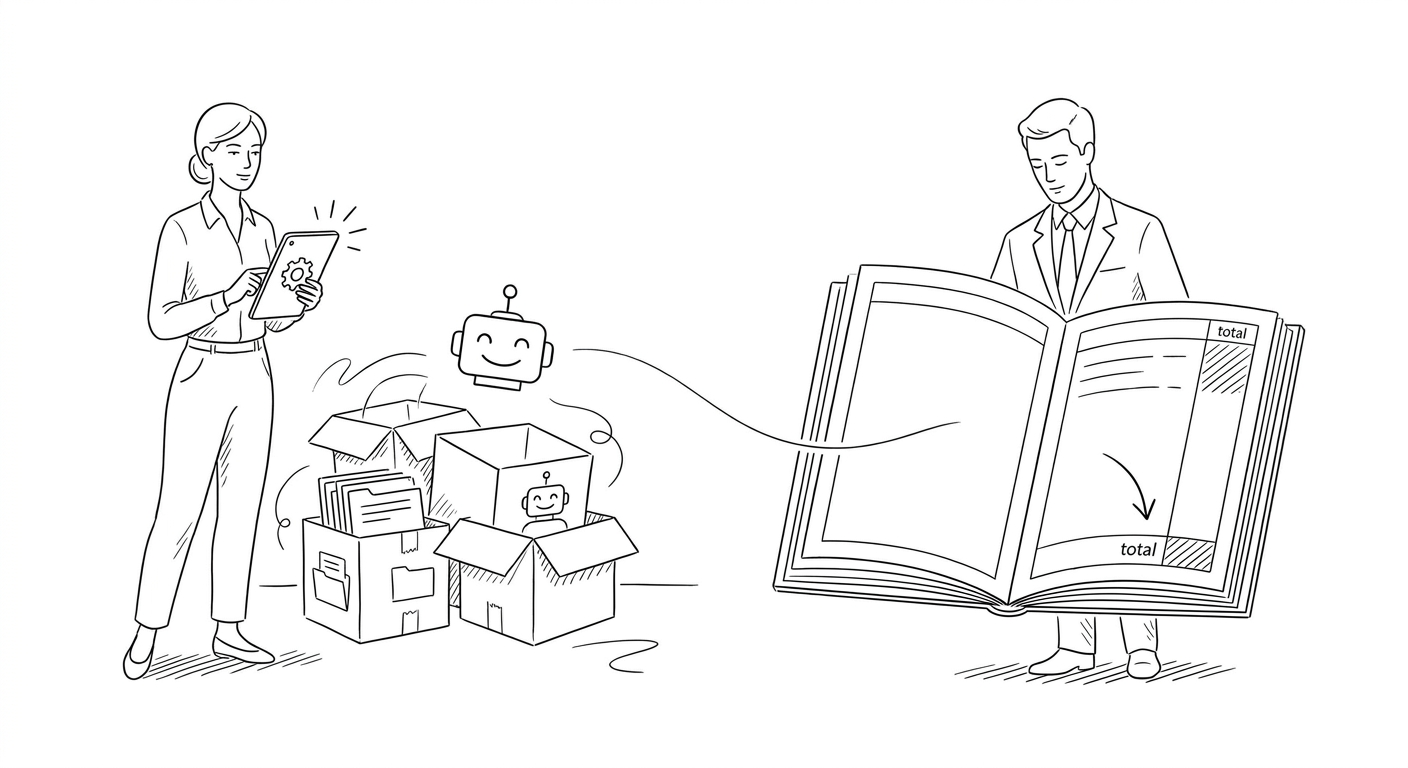
AIA and AS Watson deploy autonomous agents at scale while new research shows 31% of financial firms lack auditability over AI systems.

Most organizations now run AI in production, but 64% report only efficiency improvements while revenue and ROI metrics lag, exposing a strategic gap between deployment and business value.