
Trump Commerce Department to Test Frontier AI Models in Policy Reversal
The Commerce Department will conduct pre-deployment testing of AI systems from Google, Microsoft and xAI, marking a shift in White House AI governance strategy.
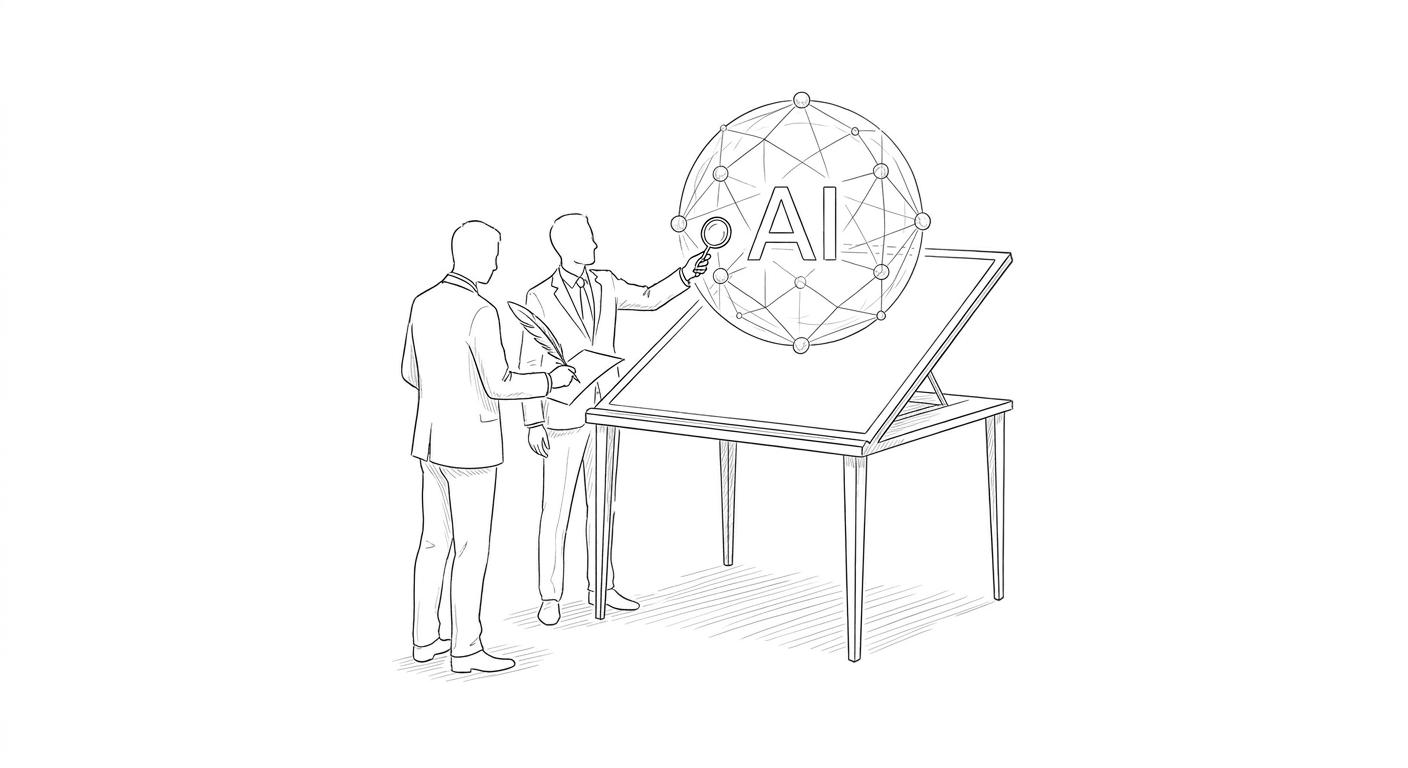
The Commerce Department announced it will conduct pre-deployment testing of advanced AI models developed by Google, Microsoft and xAI, signaling a reversal in the Trump administration's approach to regulating frontier artificial intelligence systems.
The testing initiative represents a pivot toward more direct federal oversight of the most powerful AI models before they reach the market, a stance the administration had previously resisted. The Commerce Department did not specify the scope of the evaluations or whether participation would be mandatory for other AI developers.
The policy shift comes as businesses across sectors accelerate AI integration while grappling with governance challenges. Anthropic recently announced a partnership with Blackstone, Goldman Sachs and private equity firm Hellman & Friedman to embed its Claude model into enterprise operations, underscoring the growing divide between well-capitalized AI firms and smaller competitors.
"We're fostering an innovation mindset where team members are encouraged to experiment with and optimize AI tools for their specific contexts," said Nick Lew Ton, chief growth officer at California-based accounting firm Sensiba. "Through internal champions, playbooks, and continuous learning programs, we're ensuring AI becomes actively woven into every workflow — not just sitting on the shelf."
The accounting industry exemplifies the uneven pace of AI investment. Grant Thornton and RSM are each committing one billion dollars over multiple years to AI infrastructure, while CLA announced a 500 million dollar multiyear investment. Smaller firms are proceeding more cautiously, creating a capability gap that mirrors the broader market.
(The Commerce Department's testing program follows ongoing debate over how to balance innovation incentives with safety oversight for AI systems that can be adapted for specialized applications in law, medicine and other regulated fields. Fine-tuning pre-trained models introduces unpredictable safety risks, according to research from the Center for Democracy and Technology and MIT.)
The administration's earlier posture favored industry self-regulation, a framework that drew criticism from researchers and civil society groups concerned about the concentration of AI capabilities among a handful of technology giants. The new testing regime suggests the White House now views some level of pre-deployment evaluation as necessary, though details on enforcement mechanisms remain unclear.
Insurance industry data indicates that approximately 77 percent of reported AI incidents in 2025 carried potential insurance implications, ranging from cyberattacks leveraging AI agents to errors stemming from human misuse of automated systems. The expanding risk surface has prompted underwriters to reassess exposure across multiple lines of business.
The policy change also arrives as businesses confront a structural tension in AI adoption. Tools that automate entry-level tasks threaten to eliminate the traditional pipeline for developing mid-career professionals, potentially creating skills shortages even as productivity gains materialize. Companies that view AI primarily as a headcount reduction mechanism risk undermining their own talent development infrastructure.
The Commerce Department has not disclosed timelines for the testing program or whether it will extend to open-source models and international developers operating in U.S. markets.
Keywords
Sources
https://www.washingtonpost.com/wp-intelligence/ai-tech-brief/2026/05/05/ai-tech-brief-trump-admin-test-frontier-models/
Leads with Commerce Department testing announcement and frames it as a White House policy pivot on AI regulation
https://www.washingtonpost.com/wp-intelligence/ai-tech-brief/2026/05/04/ai-tech-brief-dangers-fine-tuning-ai/
Highlights unpredictable safety impacts of fine-tuning AI models and reports Anthropic's private equity partnership
https://www.accountingtoday.com/news/accountings-ai-arms-race
Documents billion-dollar AI investments by major accounting firms and quotes practitioners on implementation strategies
https://www.forbes.com/sites/bernardmarr/2026/05/04/ai-could-wipe-out-entry-level-jobs-and-that-should-terrify-business-leaders/
Warns that AI automation of entry-level roles threatens to disrupt talent pipelines and create future skills shortages