AI Code Generators Erode Enterprise Access Controls, Security Experts Warn
Large language models are quietly introducing permission flaws into policy-as-code systems, creating a compounding drift toward over-permissioned environments that undermines least-privilege security.
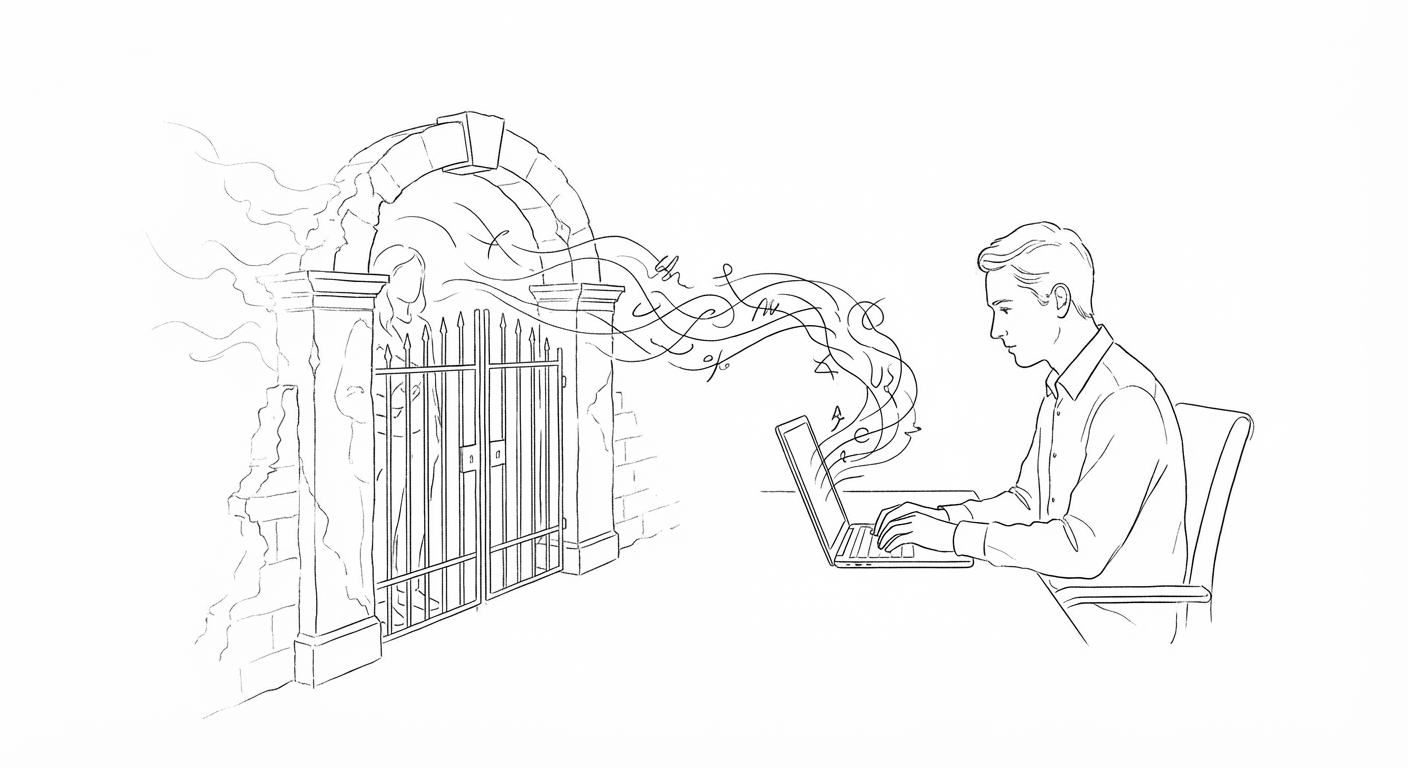
Organizations adopting artificial intelligence to write security and access control policies are inadvertently dismantling their own least-privilege models, according to security researchers tracking the phenomenon they call "silent drift."
The problem centers on policy-as-code frameworks—systems that translate organizational security rules into executable code using specialized languages like Rego and Cedar. While these languages offer precision, they are notoriously difficult to write. Companies have turned to large language models to accelerate policy creation, but the AI systems frequently introduce subtle errors: missing conditions, hallucinated attributes, or over-broad permissions that look correct on the surface but quietly expand access beyond intended boundaries.
"As more policies are generated, deployed, and reused, the risk compounds," one security analyst noted in published research. The errors are natural byproducts of how LLMs interpret and simplify language, but detection is difficult. Policies are no longer static artifacts reviewed occasionally—they are generated, updated, and deployed continuously, allowing small deviations to accumulate over time.
Organizations may believe they are enforcing strict access controls while actually drifting toward over-permissioned environments. The efficiency gains from AI-assisted policy writing come with a hidden cost: a gradual erosion of the security posture the policies were meant to protect.
(The issue has emerged as enterprises accelerate AI adoption across operational workflows, with policy automation seen as a key efficiency target. Security teams are now grappling with how to validate AI-generated code at scale without sacrificing the speed advantages that justified the technology's use.)
The challenge reflects a broader tension in enterprise AI deployment. As companies integrate generative models into critical infrastructure—from customer service to software development—the gap between perceived control and actual system behavior is widening. Prompt injection vulnerabilities and unauthorized data exposure have been identified as leading risks in AI development tools, pointing to persistent security gaps even as adoption accelerates.
Meanwhile, workforce preparation efforts are expanding. The U.S. Labor Department has launched a free AI literacy course for workers, part of a broader push to address automation-driven changes. Governments and educational institutions worldwide are prioritizing STEM education and digital literacy, aiming to harness AI's potential rather than simply react to displacement.
Ethical and regulatory scrutiny is intensifying in parallel. Senate Democrats have opened an investigation into major tech companies over plans to power AI data centers with natural gas, signaling concern over environmental and public health impacts. The inquiry comes as energy companies develop massive new power projects, including gas-fired plants in Texas, to meet surging data center demand driven by AI workloads.
China's tightly controlled internet ecosystem is emerging as a defining factor in the global AI race, with state control over data access and regulation shaping development trajectories across competing systems. The divergence underscores how governance models—not just technical capabilities—will determine which nations lead in AI deployment and influence.
Keywords
Sources
https://www.securityweek.com/silent-drift-how-llms-are-quietly-breaking-organizational-access-control/
Focuses on technical mechanics of how LLMs introduce permission flaws in policy-as-code systems, coining 'silent drift' phenomenon.
https://www.newsweek.com/ai-impact-is-ai-making-your-marketing-too-efficient-11742013
Highlights prompt injection vulnerabilities and Senate investigation into AI data center environmental impact.
https://www.ekhbary.com/news/ais-transformative-power-reshaping-global-industries-and-future-workforce-dynami-1774846073-2.html
Emphasizes global workforce adaptation efforts and ethical governance challenges in AI deployment.
https://www.itnews.com.au/news/gov-proposes-disclosure-delay-for-most-serious-cyberattacks-624575?utm_source=feed&utm_medium=rss&utm_campaign=editors_picks
Covers broader cybersecurity context including supply chain malware and enterprise AI adoption trends.