
Businesses Deploy AI for Efficiency, Not Growth, as 'Turning Point' Emerges
Exclusive Harvard survey reveals enterprises use AI primarily for back-office tasks rather than competitive advantage, signaling a strategic misalignment as adoption accelerates.
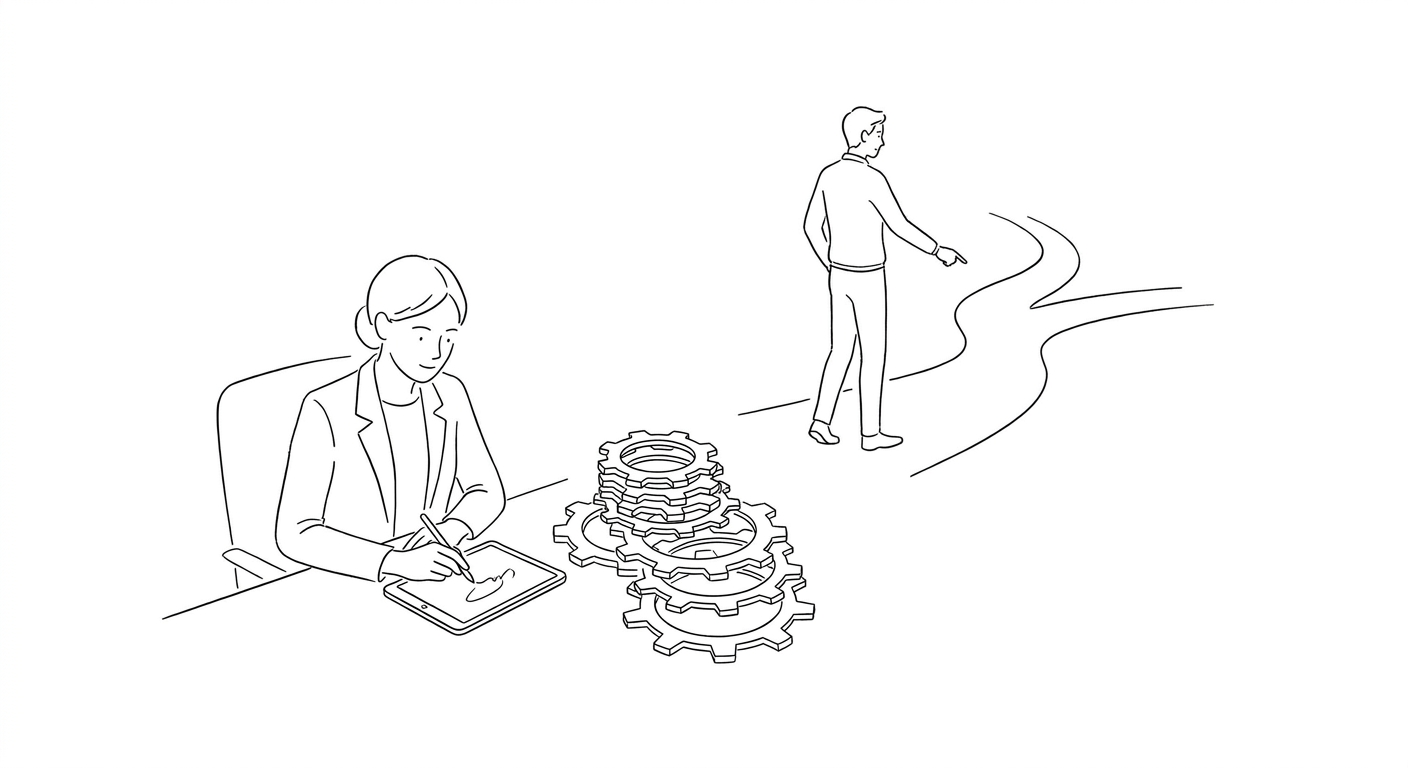
American businesses are deploying artificial intelligence tools primarily to streamline back-office operations rather than drive revenue growth or competitive advantage, according to exclusive survey data from Harvard Business Review Analytics that suggests a fundamental disconnect between AI investment and strategic value creation.
The findings arrive as more than 1.3 million U.S. defense personnel now use generative AI platforms for research and document preparation, while the Pentagon has signed contracts with Nvidia, Microsoft, Amazon Web Services, and Reflection AI to deploy AI models on classified networks requiring the highest security clearances. The military agreements follow a breakdown in negotiations with Anthropic, which refused to provide unrestricted access to its tools over concerns about mass surveillance and autonomous weapons applications.
Senate Commerce Chair Ted Cruz threw his weight behind new bipartisan legislation targeting chatbot use by children, marking a shift as staunch pro-industry Republicans begin engaging with AI safety issues. The Centers for Medicare and Medicaid Services simultaneously rolled out a new Medicare library designed for health technology applications.
Dean Ball, a former senior adviser on AI policy in the Trump administration, characterized the moment as a fundamental shift in AI policy, while U.S. industrial strategy redirects technology investments from coastal hubs to Arizona and Texas sites. The geographic redistribution reflects broader questions about whether current AI deployments match the scale of infrastructure commitments.
(The Harvard Business Review Analytics survey was reported exclusively by The Washington Post's WP Intelligence unit, which examines AI at the intersection of innovation, policy and power. The survey methodology and sample size were not disclosed in available materials.)
The efficiency-versus-growth pattern echoes broader industry tensions. Meta CEO Mark Zuckerberg explicitly tied recent staff layoffs to massive AI spending while refusing to rule out future workforce cuts. Elon Musk told a court he was a "fool" for his early financial role funding OpenAI, according to trial testimony in Oakland. Teachers now use AI to create lesson plans and grade papers, while marketing professionals deploy it for client research, yet concerns persist that widespread adoption could erode critical thinking skills and introduce errors through AI hallucinations.
Appier, an AI-as-a-Service company, announced research focused on what it terms "AI self-awareness"—enabling systems to assess risk and recognize knowledge limits before acting. The company embedded these capabilities across its Ad Cloud, Personalization Cloud, and Data Cloud products, positioning the work as a transition "from usable AI to trustworthy AI." The research reflects industry recognition that enterprise adoption hinges on reliability rather than capability alone.
The Pentagon's classified-network contracts specify deployment in IL6 and IL7 environments, which require strict access controls for systems deemed critical to national security. The agreements followed the Anthropic impasse, in which the AI safety-focused company imposed conditions against mass surveillance and autonomous weapons that proved incompatible with Defense Department requirements. TechCrunch reported that Pentagon officials framed the contracts as accelerating transformation into an "AI-powered force" with decision-making advantages.
Anthropic separately developed an AI model called Mythos for defensive cybersecurity research that the company deemed too dangerous for public release, according to Fox News reporting. The model's restricted status underscores the dual-use dilemma facing AI developers as capabilities advance faster than governance frameworks.
Keywords
Sources
https://www.washingtonpost.com/wp-intelligence/ai-tech-brief/2026/04/28/ai-tech-brief-turning-point-ai-economy/
Exclusive Harvard survey showing businesses prioritize AI for efficiency over revenue growth, framing it as an economic turning point
https://zamin.uz/en/technology/198785-pentagon-to-implement-artificial-intelligence-on-closed-networks.html
Pentagon contracts with major tech firms for classified-network AI deployment following Anthropic negotiation breakdown
https://www.foxnews.com/tech/ai-newsletter-anthropic-model-too-dangerous-go-public
Anthropic's Mythos cybersecurity model deemed too risky for public release; Musk-OpenAI trial testimony on funding regrets
https://www.washingtonpost.com/wp-intelligence/ai-tech-brief/2026/05/01/ai-tech-brief-dean-ball-shift-ai-policy/
Former Trump AI adviser characterizes fundamental policy shift; Sun Belt emerges as new AI investment epicenter