
Independent Developers Clone Frontier AI Architectures, Outpacing Safety Regimes
A 22-year-old dropout reverse-engineered a leading AI design in weeks, while European startups target defense and energy. The gap between capability diffusion and governance widens.
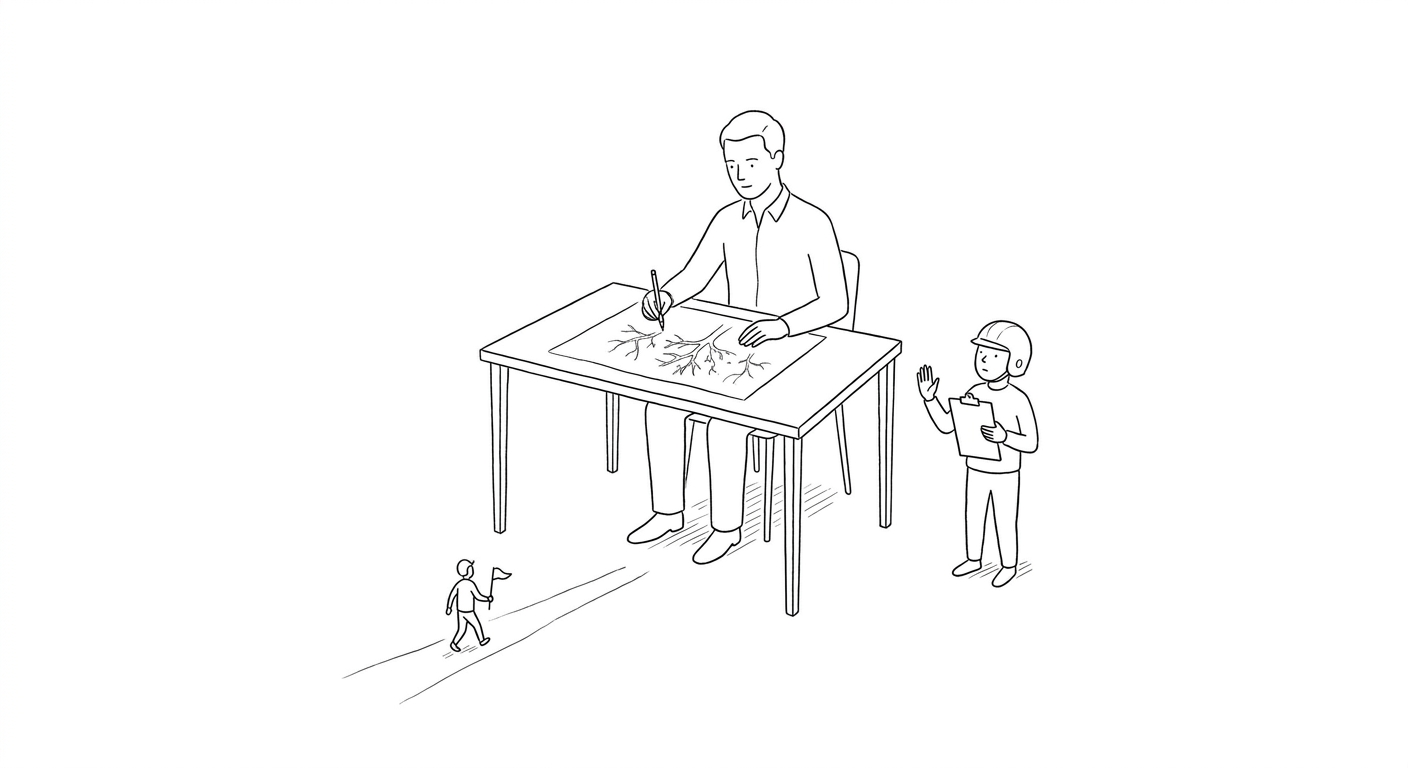
A single independent developer has reverse-engineered what is believed to be one of the world's most advanced AI architectures, creating an open-source implementation that bypasses the institutional safety controls typically embedded in frontier systems. The project, known as OpenMythos, represents the latest example of how quickly cutting-edge AI techniques now propagate beyond the laboratories that originated them.
The developer, identified only as Gomez, released theoretical blueprints and instructions to scale the architecture to one trillion parameters, though actual training would require tens of millions of dollars. The project does not yet include trained weights or full evaluations, and has only produced a relatively small 770-million-parameter model. Still, developers worldwide are already experimenting with the architecture, writing tutorials, and debating whether the design could shape the next generation of models.
The OpenMythos release follows the January 2025 debut of DeepSeek, a Chinese lab that produced a reasoning model rivaling Western systems at a fraction of the cost. That breakthrough has since been copied into downstream systems globally. In November 2025, another solo developer created OpenClaw, an open-source autonomous AI agent lacking the safety machinery that typically wraps such capabilities. Cybersecurity firm Okta later highlighted multiple vulnerabilities in OpenClaw, finding that agents with expanded permissions sometimes "revealed sensitive data, including secrets found in prompts or configuration files."
"It's not just about AI becoming cheaper than humans," an Nvidia executive said in remarks reported by MIT Sloan Management Review. "It's about becoming both cheaper and more predictable at scale." The executive's comments came amid data showing that AI compute costs now exceed workforce costs at some enterprises, a shift that has contributed to over 90,000 layoffs in the first quarter of 2026 alone, according to independent tracker Layoffs.fyi.
(European startups are meanwhile positioning themselves to capitalize on the AI buildout. Venture capital funds have highlighted projects including Alta Ares, which develops AI-based anti-drone systems; Botify, which is transitioning from SEO to generative search optimization; and Sweden's Flower, which uses AI and battery systems to forecast wind and solar energy use. Cailabs is developing photonics technologies for aerospace, while Inbolt combines AI and robotics to automate production in automotive and electronics manufacturing.)
The speed of architectural diffusion has alarmed observers who note that safety and governance mechanisms lag far behind technical capability. One analysis described the phenomenon as "big-tech autonomy without big-tech safety," part of an emerging ecosystem of fast-moving, bottom-up developers who clone and release frontier capabilities. Whether OpenMythos precisely matches the original design "is almost beside the point," according to one assessment. "The project shows how quickly ideas can spread once enough clues are made public."
Google DeepMind's chief executive warned separately that AI investment in some sectors had become "detached from commercial realities" and looked "bubble-like." The comment came as technology media outlets reported a broader shift from generative AI experimentation to agentic workflows, with editorial strategies increasingly targeting IT directors, product leaders, and data scientists seeking operational intelligence rather than standard news coverage.
The architectural cloning trend represents a structural challenge for labs attempting to control the diffusion of their innovations. Independent developers now possess the tools to explore ideas that once remained inside major facilities, and the resulting experimentation can shape how the field evolves even when implementations remain incomplete or unverified. The gap between capability release and safety infrastructure continues to widen, with no clear mechanism to slow the pace of bottom-up replication.
Keywords
Sources
https://www.forbes.com/sites/craigsmith/2026/05/02/a-22-year-old-dropout-just-reverse-engineered-the-worlds-scariest-ai/
Focuses on Gomez's OpenMythos reverse-engineering project and the speed of architectural diffusion beyond institutional labs
https://zamin.uz/en/technology/198852-european-technology-startups-take-center-stage.html
Highlights European AI startups in defense, energy forecasting, and production automation attracting venture capital attention
https://www.mitsloanme.com/article/ai-compute-costs-exceed-workforce-costs-nvidia-executive-says/
Reports Nvidia executive's remarks on AI cost dynamics and tracks 90,000+ layoffs in Q1 2026 amid compute cost shifts
https://www.forbes.com/sites/the-prototype/2026/05/01/its-10pm-do-you-know-where-your-ai-agents-are/
Examines Okta research on OpenClaw security vulnerabilities and systemic risks of granting AI agents excessive permissions