
MIT Study Finds Compute Power, Not Proprietary Techniques, Drives AI Breakthroughs
Analysis of 809 language models reveals 80-90% of frontier performance stems from raw computing scale, challenging notion of corporate 'secret sauce.'
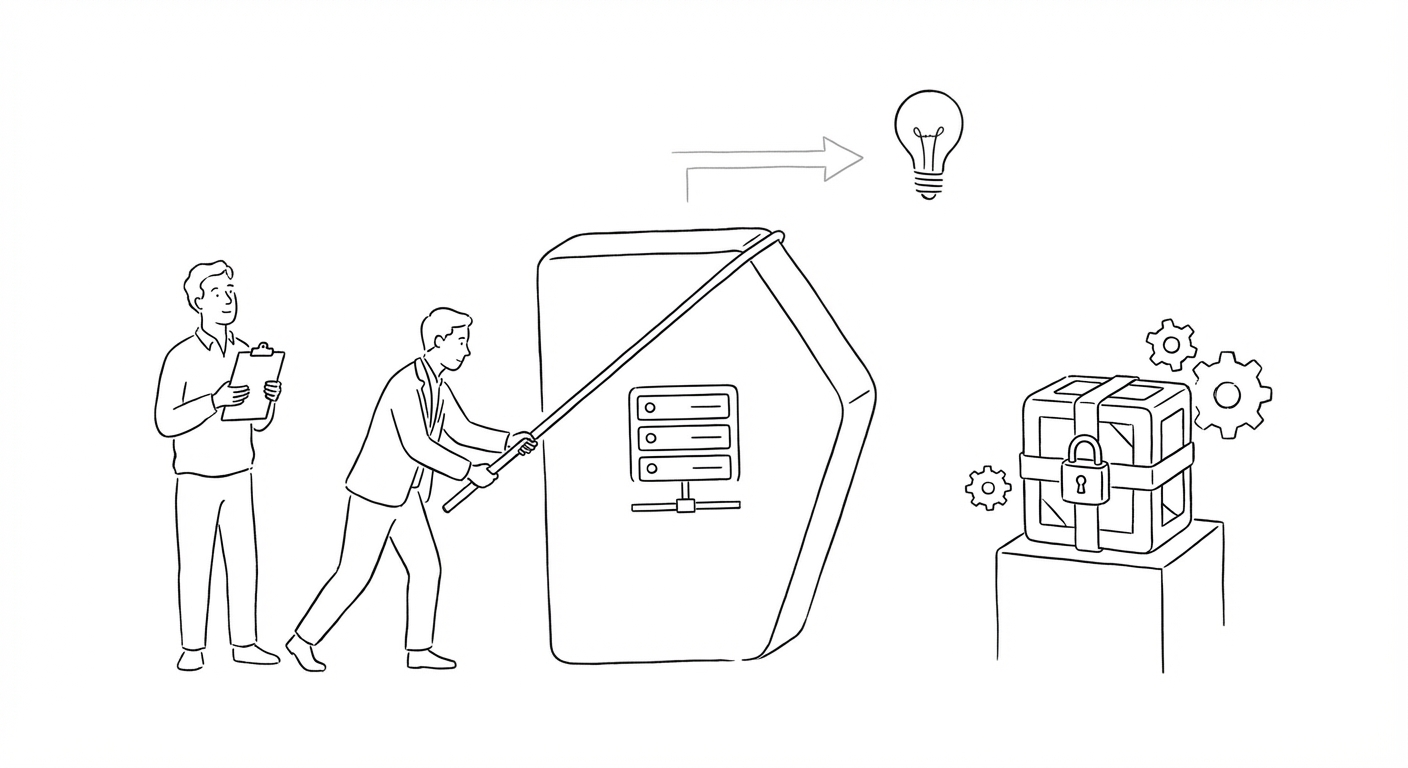
A Massachusetts Institute of Technology study analyzing more than 800 large language models released between October 2022 and March 2025 concludes that access to massive computing resources—not proprietary engineering techniques—accounts for the vast majority of performance gains at the leading edge of artificial intelligence development.
The research, titled "Is there 'Secret Sauce' in Large Language Model Development?", examined benchmark performance and training data to isolate four components of progress: training compute volume, shared algorithmic advances across the industry, developer-specific techniques, and model-specific design choices. The findings suggest that at the frontier of AI capabilities, sheer scale dominates. The researchers estimate that "80-90 percent of frontier model performance is a consequence of these models' large and increasing compute," according to the paper.
Company-specific advantages do exist but appear limited in impact. The study found that "14-18 percent of LLM performance differences are explained by company-specific effects," indicating that proprietary methods contribute modestly to improvements but do not constitute a sustained competitive moat.
The analysis arrives as the AI industry confronts questions about whether leading developers possess unique technological advantages or whether progress is primarily a function of capital expenditure on computational infrastructure. "Large language models have experienced a period of rapid progress and benchmark scores have climbed at an astonishing rate," the authors write, framing the central question of whether any firm holds a durable edge.
(The MIT findings contrast with industry narratives emphasizing algorithmic innovation, though they align with observations that the largest training runs require investments exceeding hundreds of millions of dollars in specialized hardware.)
The debate over compute versus technique echoes earlier transitions in AI development. A decade ago, DeepMind's AlphaGo demonstrated that neural networks combined with reinforcement learning could achieve superhuman performance in complex domains. Chris Maddison at the University of Toronto, part of the original AlphaGo team, notes that "large language models are now quite different in some ways from AlphaGo, but there's actually an underlying technological thread that really hasn't changed." Both approaches rely on pretraining with large datasets followed by post-training refinement, with scale playing a decisive role in capability.
The implications extend beyond model development to downstream applications. Google researchers recently deployed the company's Gemini LLM to process 5 million news articles and extract geo-tagged flood data, creating a dataset called Groundsource to train flash flood prediction models. Meanwhile, Luma AI launched an agent-based platform that automates advertising campaign creation from creative briefs, coordinating multiple models including Ray3.14, Veo 3, and Sora 2. In cybersecurity, defenders are adopting LLM-powered tools to generate detection rules at machine speed, matching the pace of AI-enhanced phishing attacks that can produce thousands of context-aware messages in seconds.
The compute-centric conclusion may reshape competitive dynamics in an industry where capital access, rather than algorithmic secrets, determines position at the frontier. If the MIT analysis holds, the race for AI leadership becomes primarily a contest of infrastructure investment and energy availability, with implications for which organizations—and nations—can sustain participation in frontier research.
Keywords
Sources
https://roboticsandautomationnews.com/2026/03/10/mit-study-suggests-computing-power-not-secret-sauce-drives-most-ai-model-breakthroughs/99457/
Primary coverage of MIT study methodology examining 809 models across four performance components
https://techcrunch.com/2026/03/12/google-is-using-old-news-reports-and-ai-to-predict-flash-floods/
Application example of LLMs processing millions of news articles for flood prediction datasets
https://www.newscientist.com/article/2518450-the-moment-that-kicked-off-the-ai-revolution/
Historical context linking AlphaGo's neural network approach to modern LLM architecture continuity
https://www.mediapost.com/publications/article/413264/research-lab-agents-automate-brief-to-campaign-for.html?edition=141849
Commercial deployment of multi-model LLM agents for end-to-end advertising campaign automation