Trump AI Adviser Signals Policy Pivot as Pentagon Locks Down Military AI Contracts
Dean Ball, former Trump AI adviser, says a fundamental shift is underway in U.S. AI policy as the White House prepares a memo addressing Pentagon-Anthropic tensions and multi-vendor requirements.
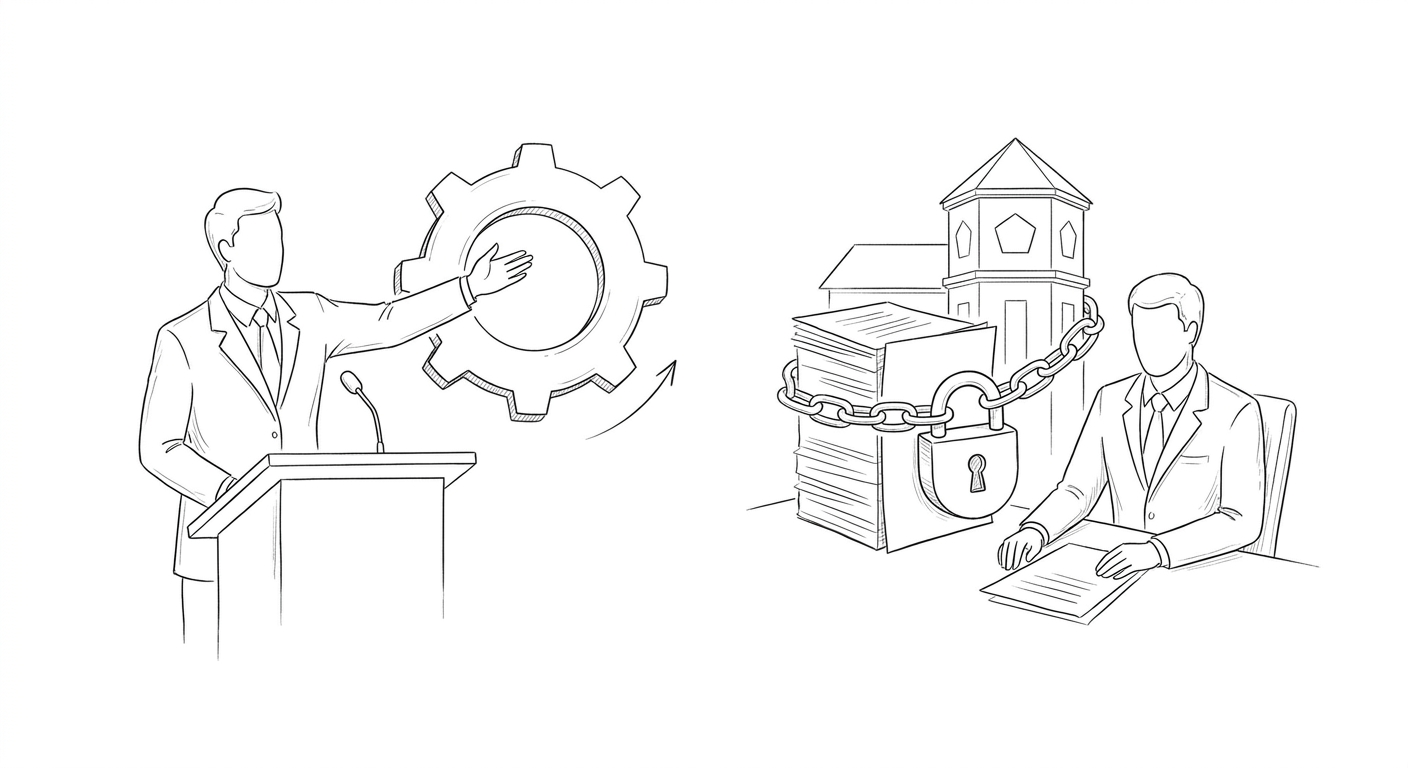
A former senior adviser on artificial intelligence policy in the Trump administration says a fundamental shift is underway in how the United States governs AI, as the White House prepares a wide-ranging policy memo that addresses tensions between the Pentagon and major AI contractors.
Dean Ball, who served in the Trump administration, described the policy evolution during a briefing this week, though he did not detail the specific contours of the shift. His remarks came as Bloomberg reported that White House officials are drafting an AI policy memo that outlines requirements for AI deployment by national security agencies, including provisions that appear designed to resolve a bitter dispute between the Department of Defense and Anthropic over military use of the firm's technology.
The draft memo urges U.S. agencies to use multiple AI providers to avoid the vulnerability of relying on a single vendor, according to people familiar with the matter who requested anonymity to discuss ongoing deliberations. It also calls for AI companies that contract with the Department of Defense to agree not to interfere with the military's chain of command, where the president has the final say.
The policy guidance has been in the works for months and comes after a disagreement with Anthropic, which had imposed conditions against mass surveillance and autonomous weapons when the Pentagon sought unrestricted access to its tools. The Defense Department has since signed contracts with Nvidia, Microsoft, Amazon Web Services, and Reflection AI to deploy artificial intelligence technologies on classified networks for operational purposes.
Pentagon officials stated the agreements will accelerate the transformation of the U.S. military into an AI-powered force and help maintain an advantage in decision-making. The companies' AI models will be deployed in IL6 and IL7 environments, which require high levels of security and are considered critical for national security. To date, more than 1.3 million defense personnel have used the GenAI.mil platform, primarily for non-classified tasks such as research, document preparation, and data analysis.
(The policy developments unfold as the U.S. industrial strategy shifts tech investments from the coasts to inland sites in Arizona and Texas, part of a broader reconfiguration of the American AI ecosystem.)
Meanwhile, concerns are mounting that a patchwork of state-level AI regulations could create interstate healthcare problems and hamper American competitiveness. Rad AI CIO Demetri Giannikopoulos warned that AI regulations must be aligned across the United States to avoid cross-border differences in care. Senate Commerce Chair Ted Cruz threw his weight behind new legislation on chatbot use by children, signaling that staunch pro-industry Republicans are starting to come to the table on some AI safety issues.
Critics argue that alarmist rhetoric is preventing America from passing a clear framework supporting innovation. Techno-optimists and Democratic strategists contend that doomers are pushing for strict state-level bills that would create a regulatory patchwork so onerous only the largest companies could comply, potentially hampering innovation and ceding power to China. Senator Bernie Sanders hosted a panel featuring top Chinese AI officials to discuss the existential threat of artificial intelligence and the need for international cooperation, illustrating the strange coalitions forming around AI governance.
A new survey by Harvard Business Review Analytics shows that businesses are using AI to improve efficiency in back-office operations but not for revenue growth or business competitiveness, suggesting the technology's economic impact remains concentrated in narrow applications rather than transformative use cases.
Keywords
Sources
https://www.washingtonpost.com/wp-intelligence/ai-tech-brief/2026/05/01/ai-tech-brief-dean-ball-shift-ai-policy/
Dean Ball announces fundamental shift in AI policy; highlights Sun Belt as new AI investment epicenter
https://www.bloomberg.com/news/articles/2026-04-30/white-house-ai-memo-hits-issues-driving-anthropic-pentagon-feud
White House memo addresses Pentagon-Anthropic dispute with multi-vendor requirements and chain-of-command provisions
https://zamin.uz/en/technology/198785-pentagon-to-implement-artificial-intelligence-on-closed-networks.html
Pentagon signs contracts with Nvidia, Microsoft, AWS, and Reflection AI for classified network AI deployment
https://www.mobihealthnews.com/video/patchwork-ai-policy-may-create-interstate-healthcare-problems
Rad AI warns fragmented state regulations could create cross-border healthcare disparities and inconsistent standards